
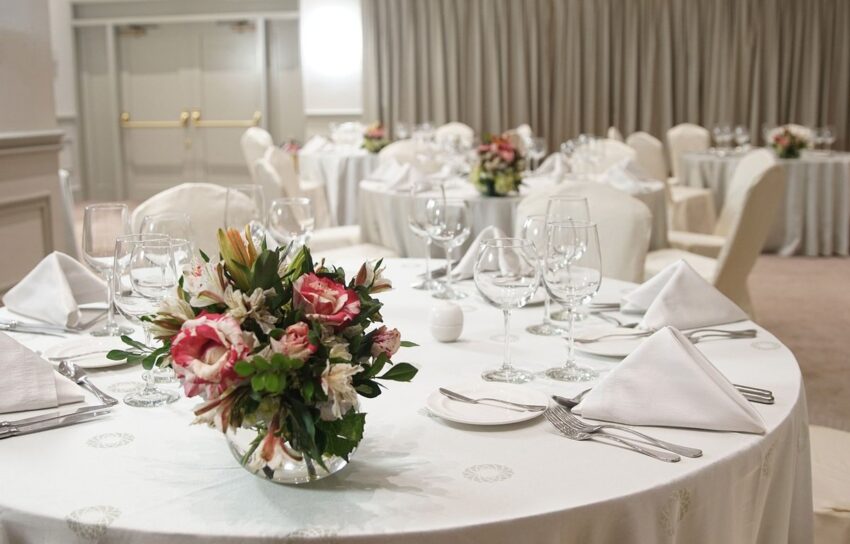
Annual dinners fail in the calendar, not on the night
A company annual dinner looks like a single evening. It behaves like a six-month project. Date holds, guest list logic, budget owners, venue constraints and programme tone all lock each other in. Planners who sketch those decisions early spend the final week polishing cues. Planners who delay them spend the final week inventing apologies. A practical outline of gala and annual dinner planning steps is useful when your internal team has never owned the timeline before.
Safety and crowd flow are not decorations. UK guidance from the HSE event safety pages is written for a different jurisdiction, yet the questions travel: who controls access, where do people queue, what happens if weather or power fails. Malaysian ballrooms still need the same clarity on exits and contractor briefing. Write the answers on one page and share it with security and the venue captain.
Budget owners should also agree what “success” means before decorations are ordered. A night that impresses clients can look different from a night that thanks factory teams. When those goals compete quietly, the run of show becomes a compromise that satisfies nobody.
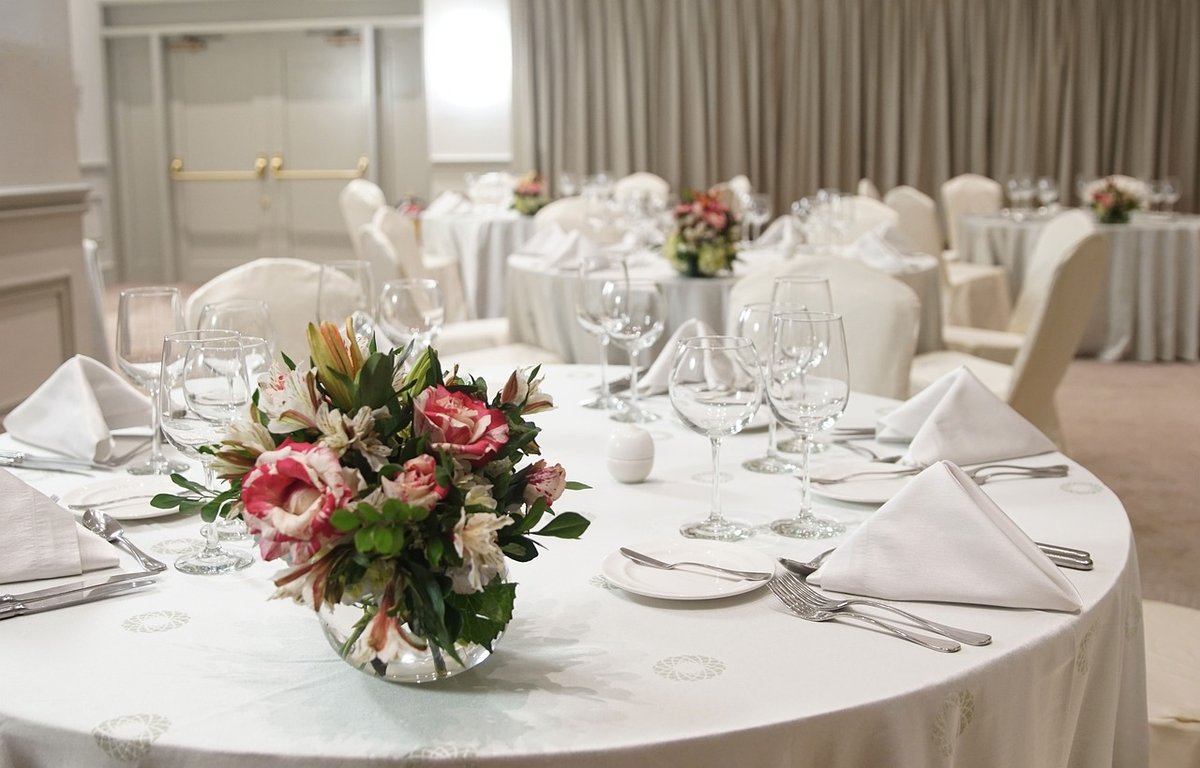
Build the programme around the audience you actually invited
A room of long-serving plant supervisors wants different humour and pacing from a room of client-facing sales teams. Write the run of show after you know who sits where. Awards blocks expand. Lucky draws stall. Speeches multiply unless someone with authority cuts them. Conference muscle helps here; organisers who also run seminars, as described on pages about conference and seminar organising, tend to protect transitions and buffer time more carefully.
Decide early whether the night is mainly recognition, client hosting, or staff morale. Those three goals fight for the same minutes. Pick a primary goal and let the other two ride in the passenger seat. Guests feel the difference even when they cannot name it. If you must include a corporate video, set a hard duration and stick to it when someone asks for “just two more minutes.”
A beginner-friendly corporate event planning walkthrough covering sequence and ownership.
Technical and catering details that quietly decide the mood
Sound checks need the actual microphones, not a spare handheld from another ballroom. LED walls need content deadlines. Dietary labels need a human who double-checks plates before service. If your company rotates annual dinner venues across Kuala Lumpur, keep a one-page lessons file: which halls run cold, which kitchens slow down after 300 covers, which loading bays jam at 4 pm.
ISO’s ISO 20121 sustainable events overview is optional reading, but it pushes useful habits: fewer single-use items, clearer waste plans, and less last-minute courier waste. Even a modest dinner can adopt two of those habits without a formal certification chase. Guests notice when water is poured efficiently and leftover food has a donation plan; they also notice when corridors fill with cardboard.

The final week and event day
Freeze the run of show three days out unless safety forces a change. Print call sheets. Confirm vendor arrival windows. Assign one person to guest exceptions and one person to stage cues so the same manager is not doing both while smiling at the CEO. Homepages for KL event production teams often list the breadth of services involved; use that breadth as a checklist of owners, not as a shopping spree.
On the night, protect buffers. A ten-minute recovery slot after awards prevents the DJ from cutting speeches short. Water stations near the smoking area reduce corridor crowding. A quiet room for staff who need a break keeps tempers lower than another tray of canapes. Radios beat WhatsApp when the room is loud.
A debrief worth keeping
Within three working days, write what slipped, what guests praised, and what invoices disputed the brief. Store it where next year’s committee can find it. Annual dinners improve when companies treat them as operations, not as a once-a-year improvisation. The room will still feel festive. The spreadsheet behind it should not. If nobody owns the debrief, the same mistake will be re-ordered with fresher flowers.