
One building can need three different water jobs
Malaysian homes and small commercial premises often try to solve every water complaint with a single filter. The water at the kitchen tap, the water that runs through the rest of the building, and the rain that leaves the roof are not the same supply, and they are not doing the same work. Treating them as one problem is how people end up drinking from a system that was never meant for drinking, or paying for a whole-house unit when the real annoyance is the taste at one sink.
A clearer way to plan is to name the job first: water you will swallow, water you will use around the building, and rain you want to reuse. The equipment should follow that list, not the other way around.
Drinking water is usually a point-of-use problem
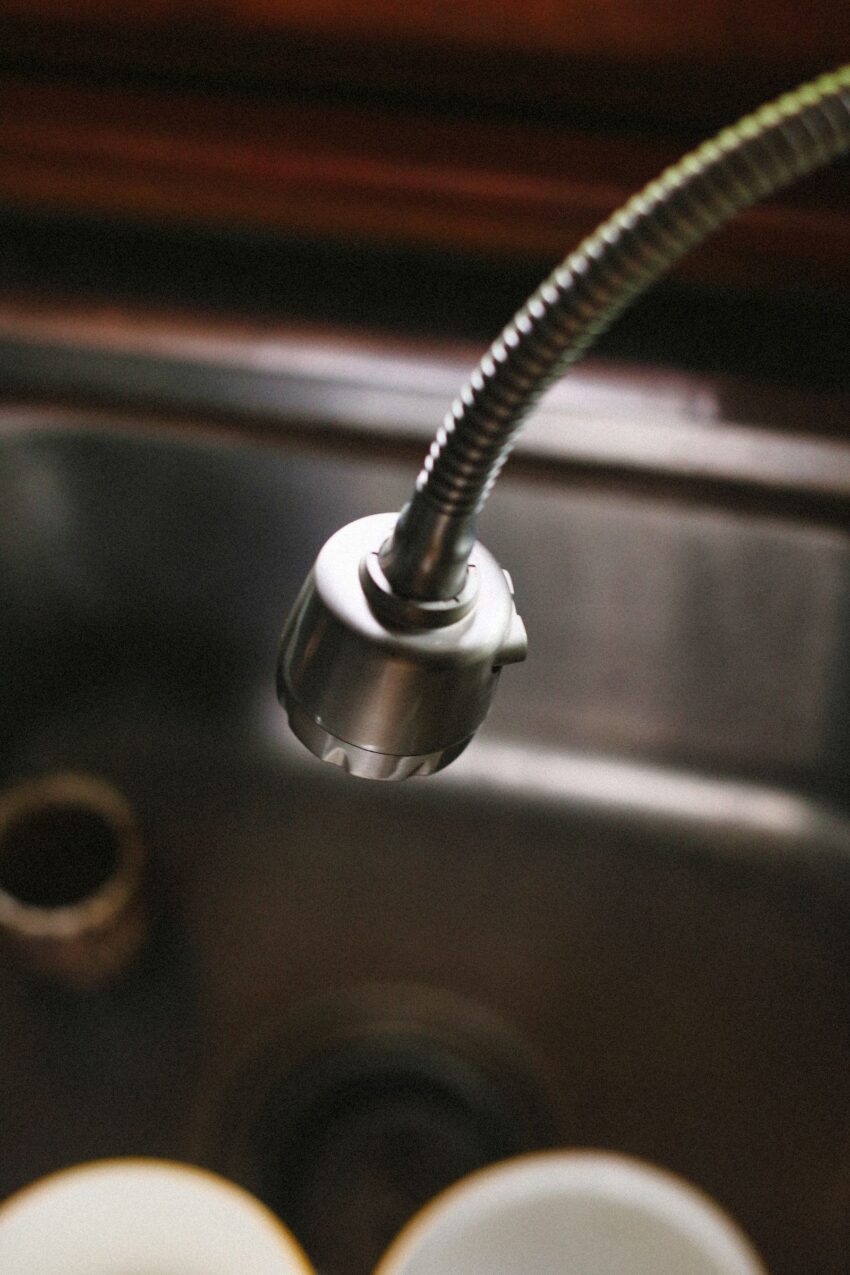
If the issue is the taste, odour or appearance of water at the kitchen sink, you are usually looking at a point-of-use device. In its guidance on the two approaches, the US Environmental Protection Agency draws a simple line: point-of-entry units treat all water used in a household, while point-of-use devices treat the water at a single tap. The same guidance notes that many point-of-use units sit under the kitchen sink and feed a separate drinking tap, leaving untreated water for washing and cleaning.
That is the job described on this range of indoor drinking-water filters: a compact unit for water you intend to drink, often fitted at or under the kitchen tap. In many Malaysian buildings, residual chlorine used in municipal treatment, or rust from older pipes, is what people notice first. A drinking filter may help with those point-of-use complaints. It is not a medical treatment, and it does not make a health claim. The World Health Organization’s fact sheet on drinking-water describes a safely managed service as water that is located on the premises, available when needed, and free from contamination. A cartridge still has to be maintained, or that last part will not hold.
Outdoor, whole-house filters treat water as it enters
A whole-house or outdoor filter is a point-of-entry choice. It sits on the incoming supply so that more of the building, not just one drinking tap, receives treated water. That can matter where staining, sediment or chlorine is showing up in bathrooms and laundry as well as in the kitchen. It is a different spend and a different maintenance routine from an under-sink drinking unit, and it will not automatically give you a dedicated drinking tap.
Pages such as this outline of outdoor, whole-house filter systems are useful as a picture of where the unit usually goes: on the incoming pipe, before the water is distributed around the building. Ask what the system is designed to reduce, what it leaves alone, how often the cartridges or media must be changed, and whether there is enough space and drainage at the installation point. A condo riser, a landed-house meter, and a small shop will not offer the same access.
Rainwater is a reuse supply, not a shortcut to drinking water
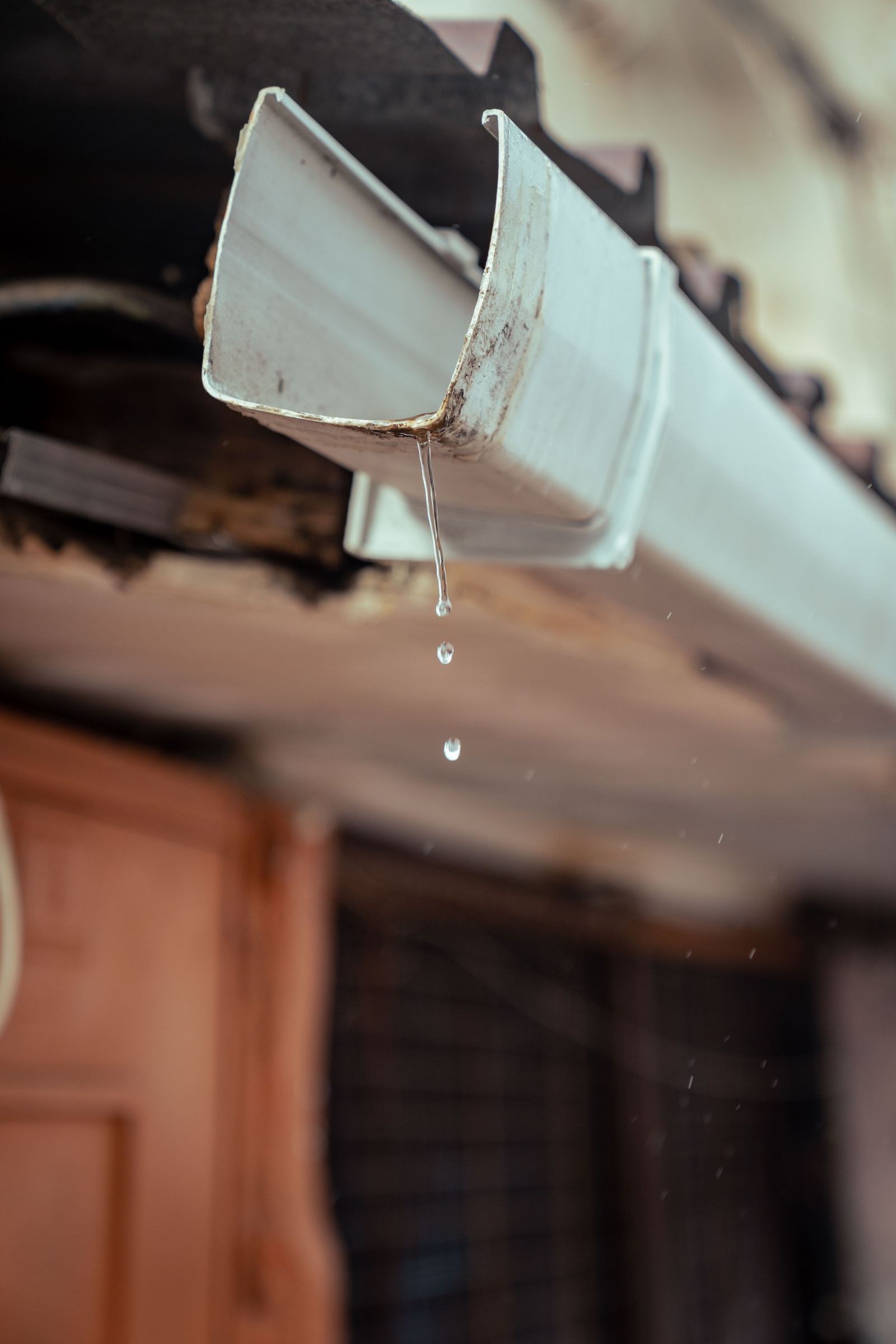
Rain off a Malaysian roof is tempting because there is so much of it. It is still a separate supply. The Department of Irrigation and Drainage’s Rainwater Harvesting Guidebook is written for Malaysian applications and, in its opening chapter, covers the design of systems for non-potable supply. It notes that rainwater may be used for drinking only with a long-term commitment to operation and maintenance, and it lists typical non-drinking uses such as landscape irrigation and toilet flushing. It also stresses that the polluted first flush from the roof has to be dealt with.
Bacfree’s rainwater harvesting systems are one example of that reuse approach, often aimed at cleaning, flushing, irrigation and other non-drinking tasks so that treated tap water is not used for every job. Do not drink untreated rainwater, and do not cross-connect a rain tank to the potable pipework without proper backflow protection and clear labelling. If you ever want rain for drinking, that is a separate, fully specified treatment and testing plan, not a garden tank with a tap on the side.
A US county clean-water programme walks through how households can put rainwater to work, mainly for non-drinking uses around the home.
Match the system to the tap, then plan the upkeep
Write down which taps you drink from, which ones only need cleaner-looking water, and which jobs could run on rain. An indoor drinking filter, an outdoor point-of-entry unit and a rainwater tank can sit in the same building without duplicating each other, but only if each one has an owner, a service interval and a way to tell when it has been neglected. Check local plumbing rules before you combine supplies. Then service the thing you actually installed, because an overdue cartridge or a clogged gutter will undo a careful plan faster than a missing brochure feature.