
What facial gua sha is meant to stimulate
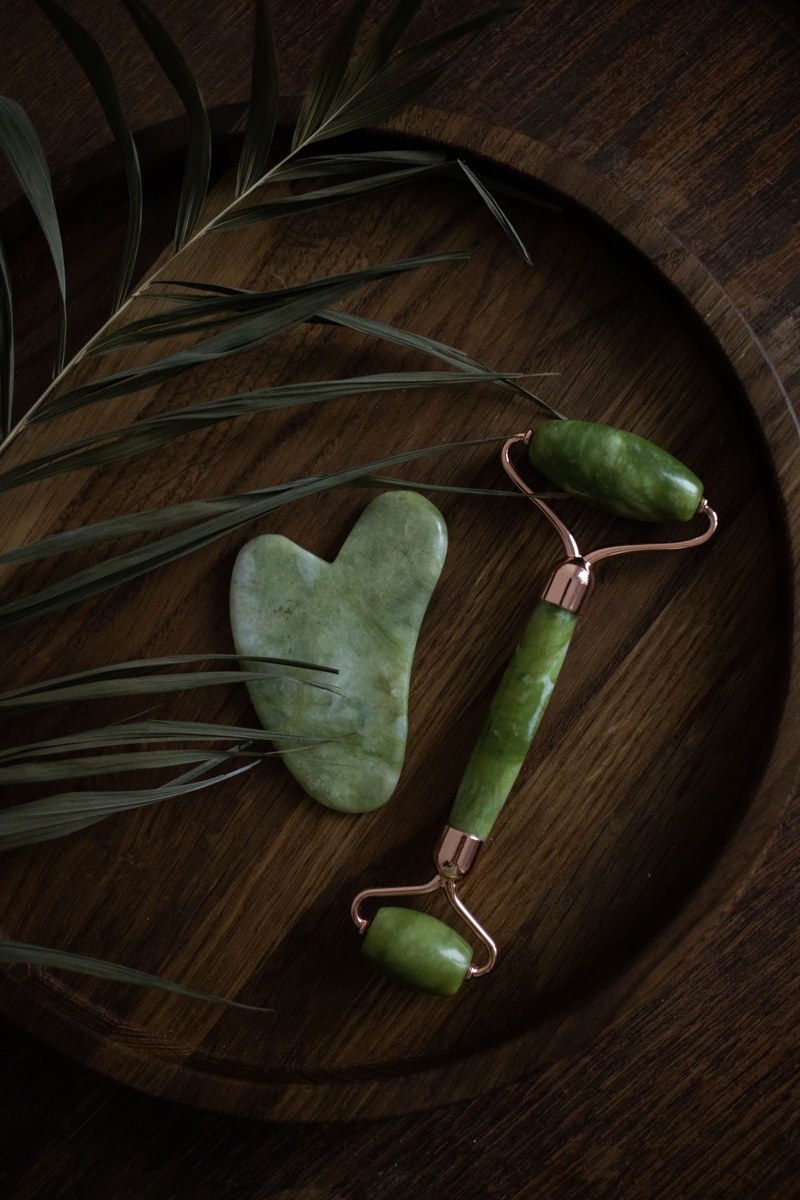
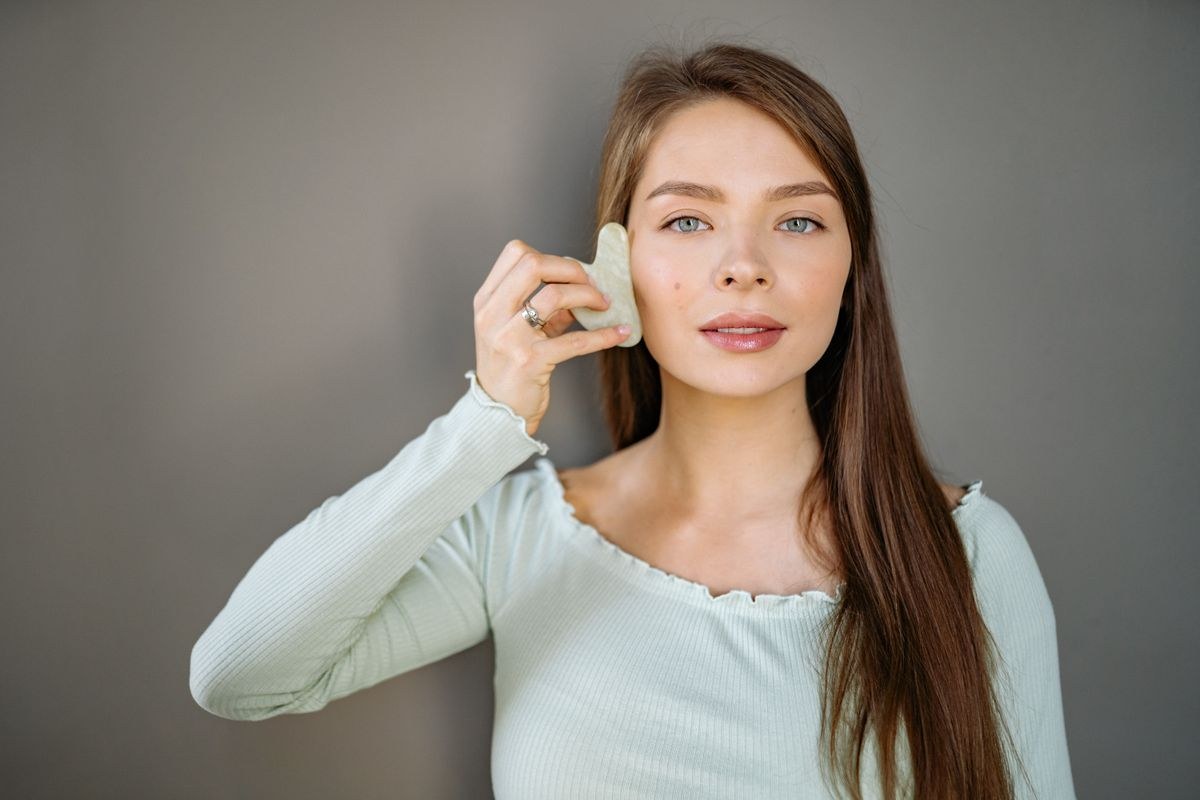
Facial gua sha is a manual technique that uses a smooth-edged tool to stroke the skin with a medium such as oil or cream. In traditional Chinese medicine contexts, practitioners describe the aim as supporting local circulation and easing a sense of facial tension, not as a guaranteed contour change. Modern spa marketing sometimes overstates “lifting” outcomes after a single visit. An informational reading starts with technique, pressure, hygiene, and contraindications rather than before-and-after promises.
The U.S. National Center for Complementary and Integrative Health (NCCIH) summarises what is known and unknown about related traditional practices, and WHO materials on traditional, complementary and integrative medicine stress qualified practice and clear communication of limits. Malaysian Ministry of Health pages on traditional and complementary medicine help readers locate how local practice is framed. Those sources help separate cultural practice descriptions from clinical certainty.
Tool materials vary (jade, bián stone, stainless forms). Material alone does not determine safety; pressure, skin status, and sanitation do.
Session flow a clinic typically follows
A typical clinic session begins with skin assessment, cleansing, and a discussion of recent procedures, active acne, isotretinoin use, or anticoagulant medication. The practitioner then applies medium and works along defined vectors with light to moderate pressure, watching for excessive redness or petechiae. Time on the face is usually shorter than body gua sha. Aftercare may include sunscreen advice and a pause on harsh exfoliants or retinoids for a day. Pages describing facial gua sha are best read as service outlines, not outcome contracts.
Ask how the clinic documents consent, what tools are sanitised between clients, and whether photography is optional. Hygiene and communication quality matter as much as the stone material marketed on social media.
Who should pause or skip facial scraping
Active skin infections, open wounds, severe rosacea flares, recent fillers or energy-device treatments, sunburn, and bleeding disorders are common reasons to delay. Pregnancy and certain medications warrant a direct question to the practitioner and, where relevant, the prescribing clinician. If a tool stroke causes sharp pain rather than mild pressure, stop immediately. Home kits sold online do not automatically make self-treatment appropriate for every face, especially when someone has a complex dermatology history.
People prone to keloid scarring or marked capillary fragility should discuss risks before any scraping technique on the face.
How moxibustion may sit alongside facial work
Some TCM clinics place moxibustion in a broader care plan aimed at warmth and comfort on body points, which is a different modality from facial tool work. Reading about moxibustion therapy helps patients understand smoke, heat sensation, ash handling, and room ventilation expectations so they are not surprised mid-visit. Facial gua sha and moxa are not interchangeable; they address different techniques and body regions, and combining them should be an explicit clinical decision rather than an upsell surprise.
A general TCM clinic overview can clarify which practitioners are registered locally and how initial consults are structured. Registration details should be verifiable through the relevant Malaysian traditional and complementary medicine channels where applicable.
Reading clinic notes without overclaiming results
Useful notes record pressure tolerance, skin response, products applied, and any home-care limits. They should not promise permanent reshaping or disease treatment. If swelling or bruising appears beyond mild transient redness, contact the clinic promptly. Combine clinic advice with ordinary dermatology care when you have an ongoing skin diagnosis. Informational browsing supports better questions; it does not replace personalised assessment on the day of treatment.